
Residential Vastu: Complete Guide to Vastu Shastra for Homes

Residential Vastu is the application of ancient Indian architectural principles, known as Vastu Shastra, to homes and living spaces. It focuses on balancing natural energies to create harmony, prosperity, health, and happiness for residents. By aligning a house with the five elements—earth, water, fire, air, and space—Vastu aims to enhance positive energy and reduce negativity. What is Residential Vastu? Residential Vastu involves designing and organizing a home in a way that aligns with natural forces and directional energies. It considers factors such as layout, room placement, entrance direction, and interior arrangement to ensure a positive living environment. Importance of Vastu in Homes 1. Positive Energy Flow A Vastu-compliant home allows smooth flow of positive energy, improving overall well-being. 2. Health and Well-being Proper ventilation, sunlight, and space alignment contribute to better physical and mental health. 3. Financial Growth Vastu principles are believed to attract prosperity and financial stability. 4. Peace and Harmony Balanced energy reduces stress and promotes family harmony. Basic Principles of Vastu Shastra Vastu is based on: Directional alignment (North, South, East, West) Five elements (Panchabhutas) Energy flow and balance Symmetry and spatial arrangement Each direction is associated with specific energies and elements. Ideal Plot and House Direction North or East-facing plots are considered most auspicious Square or rectangular plots are preferred Avoid irregular or cut-shaped plots The entrance direction plays a crucial role in energy flow. Main Entrance Vastu Entrance should ideally face North, East, or Northeast Keep the entrance clean, well-lit, and clutter-free Avoid placing dustbins or obstacles near the door A well-placed entrance invites positive energy into the home. Living Room Vastu Located in the North or East direction Use light colors and comfortable seating Avoid heavy furniture blocking pathways This area should promote relaxation and social interaction. Kitchen Vastu Ideal location: Southeast (associated with fire element) Alternative: Northwest direction Cooking should be done facing East Keep kitchen clean and organized Proper kitchen placement ensures health and prosperity. Bedroom Vastu Master Bedroom Southwest direction is ideal Promotes stability and strength Children’s Bedroom West or Northwest direction Encourages growth and creativity Guest Bedroom Northwest direction Avoid placing beds directly under beams. Bathroom and Toilet Vastu Best located in Northwest or Southeast Avoid placing bathrooms in Northeast Ensure proper ventilation and cleanliness Improper placement can affect health and energy balance. पूजा Room (Pooja Room) Vastu Northeast direction is most auspicious Keep idols facing West or East Maintain cleanliness and peaceful environment This area should be calm and spiritually uplifting. Staircase Vastu Ideal direction: South, Southwest, or West Avoid placing staircase in the center of the house Should move in a clockwise direction Colors and Interior Vastu Use light and soothing colors like white, cream, and light blue Avoid dark colors in small spaces Choose colors based on room function Colors influence mood and energy. Vastu for Doors and Windows Ensure proper ventilation and natural light Doors should open inward Avoid creaking or damaged doors Windows in North and East directions are beneficial. Vastu for Furniture Placement Heavy furniture in South or West Avoid clutter in center (Brahmasthan) Keep pathways clear Proper placement enhances energy flow. Common Vastu Doshas (Defects) Incorrect entrance direction Kitchen in wrong location Toilets in Northeast Cluttered spaces These can be corrected with simple remedies. Vastu Remedies Use mirrors to redirect energy Place plants for positivity Use Vastu pyramids or symbols Keep house clean and organized Remedies help balance negative energy. Modern Relevance of Vastu In modern homes and apartments, complete Vastu compliance may not always be possible. However, small adjustments can still improve energy balance and comfort. Benefits of Following Residential Vastu Improved health and happiness Better financial stability Stronger relationships Peaceful living environment Limitations of Vastu Not scientifically proven in all aspects May not suit all modern layouts Requires practical adaptation Conclusion Residential Vastu offers a holistic approach to designing and organizing homes by aligning them with natural energies. While it is rooted in ancient traditions, its principles continue to influence modern living spaces. By applying basic Vastu guidelines, homeowners can create a balanced, harmonious, and positive environment that supports well-being and prosperity.
Astrology Explained: Expert Insights into Your Future and Personality

Astrology has fascinated humans for centuries, offering insights into personality, behavior, and future possibilities. Rooted in the observation of celestial bodies, astrology interprets the positions of planets, stars, and other cosmic elements to understand human life. While some view it as a spiritual guide, astrology also has structured systems that allow for detailed analysis of personality traits, career paths, relationships, and more. What is Astrology? Astrology is the study of how the positions and movements of celestial bodies affect human life and natural phenomena. It is based on the belief that the universe and individual lives are interconnected. From the alignment of planets at the time of birth to the influence of transiting celestial bodies, astrology provides guidance and predictions that can help people make informed life decisions. There are various branches of astrology, including: Vedic Astrology (Jyotish) – An ancient Indian system focusing on planetary positions, zodiac signs, and Nakshatras (lunar mansions). Western Astrology – Based on the twelve zodiac signs and the sun’s position in one of these signs at birth. Numerology & Astro-numerology – Combining astrology with numbers to analyze personality and life events. Horary Astrology – Predicting outcomes based on the time a question is asked. How Astrology Helps Understand Personality Astrology offers unique insights into personality traits based on the zodiac sign, planetary positions, and birth chart (also called natal chart). Each sign has distinct characteristics that influence an individual’s behavior, strengths, and weaknesses. For example: Aries (March 21 – April 19) – Energetic, adventurous, and confident. Taurus (April 20 – May 20) – Reliable, patient, and practical. Gemini (May 21 – June 20) – Curious, adaptable, and communicative. Cancer (June 21 – July 22) – Sensitive, nurturing, and intuitive. A detailed birth chart provides more specific insights by analyzing the positions of the Sun, Moon, and rising signs, along with other planetary influences. This allows astrologers to create a nuanced profile, including emotional tendencies, decision-making patterns, and compatibility with others. Astrology and Predicting the Future Astrology is widely used for predicting potential future events. By analyzing planetary transits, retrogrades, and alignments, astrologers forecast career opportunities, financial prospects, health concerns, and personal relationships. Career and Finance – Astrology helps identify favorable periods for promotions, investments, or business expansions. Relationships – Compatibility analysis through birth charts can guide personal and professional relationships. Health – Some systems, like Vedic astrology, associate planetary positions with physical and mental health tendencies. Life Challenges – Predictive astrology provides insights into potential obstacles, helping individuals prepare and make informed choices. It is important to remember that astrology is a guide, not a deterministic rule. While it highlights tendencies and possibilities, personal effort and choices remain crucial in shaping one’s future. Importance of Zodiac Signs and Planetary Influences Zodiac signs form the foundation of astrology, representing 12 distinct personality archetypes. Each sign is influenced by a ruling planet, element (fire, earth, air, water), and modality (cardinal, fixed, mutable). Fire Signs (Aries, Leo, Sagittarius) – Energetic, passionate, and action-oriented. Earth Signs (Taurus, Virgo, Capricorn) – Practical, grounded, and reliable. Air Signs (Gemini, Libra, Aquarius) – Intellectual, communicative, and social. Water Signs (Cancer, Scorpio, Pisces) – Emotional, intuitive, and sensitive. Planetary influences further shape personality traits. For example, Mars governs energy and drive, Venus influences love and relationships, and Mercury affects communication and intellect. Understanding these celestial influences allows astrologers to provide targeted guidance for self-improvement, career planning, and personal growth. Astrology for Personal Growth Astrology is not just about predictions; it is a tool for self-awareness and personal development. By understanding inherent strengths and weaknesses, individuals can: Improve Relationships – Recognize compatibility and communication patterns with partners, friends, and colleagues. Enhance Career Choices – Identify fields aligned with personality traits and aptitudes. Make Informed Decisions – Use predictive astrology to choose favorable periods for important life events. Emotional Awareness – Understand emotional tendencies and learn strategies to manage stress or conflict. Spiritual Growth – Gain clarity on life purpose and align actions with personal goals. Common Misconceptions About Astrology Despite its popularity, astrology is often misunderstood. Some common misconceptions include: Astrology is deterministic – In reality, astrology provides guidance, not rigid predictions. Personal effort shapes outcomes. Astrology is superstitious – Astrology has structured systems, mathematical calculations, and historical records validating patterns over centuries. All astrologers are the same – Expertise matters. Qualified astrologers with experience and proper knowledge provide accurate and ethical guidance. How to Choose a Reliable Astrologer Check Credentials – Look for certified astrologers with experience and positive client feedback. Ethical Practices – Avoid astrologers making unrealistic promises or guaranteeing results. Personal Consultation – Opt for astrologers who provide detailed explanations and help interpret birth charts clearly. Transparency – Clear discussion of fees, methods, and expected outcomes ensures trustworthiness. Conclusion Astrology remains a valuable tool for understanding personality, predicting life trends, and fostering personal growth. By exploring zodiac signs, planetary influences, and birth charts, individuals gain insight into their strengths, challenges, and potential paths in life. While astrology provides guidance, it is most effective when combined with conscious effort, self-awareness, and practical decision-making. In today’s fast-paced world, astrology continues to help people navigate life with confidence, clarity, and purpose.
Astrology Explained: Expert Insights into Your Future and Personality
Astrology has fascinated humans for centuries, offering insights into personality, behavior, and future possibilities. Rooted in the observation of celestial bodies, astrology interprets the positions of planets, stars, and other cosmic elements to understand human life. While some view it as a spiritual guide, astrology also has structured systems that allow for detailed analysis of personality traits, career paths, relationships, and more. What is Astrology? Astrology is the study of how the positions and movements of celestial bodies affect human life and natural phenomena. It is based on the belief that the universe and individual lives are interconnected. From the alignment of planets at the time of birth to the influence of transiting celestial bodies, astrology provides guidance and predictions that can help people make informed life decisions. There are various branches of astrology, including: Vedic Astrology (Jyotish) – An ancient Indian system focusing on planetary positions, zodiac signs, and Nakshatras (lunar mansions). Western Astrology – Based on the twelve zodiac signs and the sun’s position in one of these signs at birth. Numerology & Astro-numerology – Combining astrology with numbers to analyze personality and life events. Horary Astrology – Predicting outcomes based on the time a question is asked. How Astrology Helps Understand Personality Astrology offers unique insights into personality traits based on the zodiac sign, planetary positions, and birth chart (also called natal chart). Each sign has distinct characteristics that influence an individual’s behavior, strengths, and weaknesses. For example: Aries (March 21 – April 19) – Energetic, adventurous, and confident. Taurus (April 20 – May 20) – Reliable, patient, and practical. Gemini (May 21 – June 20) – Curious, adaptable, and communicative. Cancer (June 21 – July 22) – Sensitive, nurturing, and intuitive. A detailed birth chart provides more specific insights by analyzing the positions of the Sun, Moon, and rising signs, along with other planetary influences. This allows astrologers to create a nuanced profile, including emotional tendencies, decision-making patterns, and compatibility with others. Astrology and Predicting the Future Astrology is widely used for predicting potential future events. By analyzing planetary transits, retrogrades, and alignments, astrologers forecast career opportunities, financial prospects, health concerns, and personal relationships. Career and Finance – Astrology helps identify favorable periods for promotions, investments, or business expansions. Relationships – Compatibility analysis through birth charts can guide personal and professional relationships. Health – Some systems, like Vedic astrology, associate planetary positions with physical and mental health tendencies. Life Challenges – Predictive astrology provides insights into potential obstacles, helping individuals prepare and make informed choices. It is important to remember that astrology is a guide, not a deterministic rule. While it highlights tendencies and possibilities, personal effort and choices remain crucial in shaping one’s future. Importance of Zodiac Signs and Planetary Influences Zodiac signs form the foundation of astrology, representing 12 distinct personality archetypes. Each sign is influenced by a ruling planet, element (fire, earth, air, water), and modality (cardinal, fixed, mutable). Fire Signs (Aries, Leo, Sagittarius) – Energetic, passionate, and action-oriented. Earth Signs (Taurus, Virgo, Capricorn) – Practical, grounded, and reliable. Air Signs (Gemini, Libra, Aquarius) – Intellectual, communicative, and social. Water Signs (Cancer, Scorpio, Pisces) – Emotional, intuitive, and sensitive. Planetary influences further shape personality traits. For example, Mars governs energy and drive, Venus influences love and relationships, and Mercury affects communication and intellect. Understanding these celestial influences allows astrologers to provide targeted guidance for self-improvement, career planning, and personal growth. Astrology for Personal Growth Astrology is not just about predictions; it is a tool for self-awareness and personal development. By understanding inherent strengths and weaknesses, individuals can: Improve Relationships – Recognize compatibility and communication patterns with partners, friends, and colleagues. Enhance Career Choices – Identify fields aligned with personality traits and aptitudes. Make Informed Decisions – Use predictive astrology to choose favorable periods for important life events. Emotional Awareness – Understand emotional tendencies and learn strategies to manage stress or conflict. Spiritual Growth – Gain clarity on life purpose and align actions with personal goals. Common Misconceptions About Astrology Despite its popularity, astrology is often misunderstood. Some common misconceptions include: Astrology is deterministic – In reality, astrology provides guidance, not rigid predictions. Personal effort shapes outcomes. Astrology is superstitious – Astrology has structured systems, mathematical calculations, and historical records validating patterns over centuries. All astrologers are the same – Expertise matters. Qualified astrologers with experience and proper knowledge provide accurate and ethical guidance. How to Choose a Reliable Astrologer Check Credentials – Look for certified astrologers with experience and positive client feedback. Ethical Practices – Avoid astrologers making unrealistic promises or guaranteeing results. Personal Consultation – Opt for astrologers who provide detailed explanations and help interpret birth charts clearly. Transparency – Clear discussion of fees, methods, and expected outcomes ensures trustworthiness. Conclusion Astrology remains a valuable tool for understanding personality, predicting life trends, and fostering personal growth. By exploring zodiac signs, planetary influences, and birth charts, individuals gain insight into their strengths, challenges, and potential paths in life. While astrology provides guidance, it is most effective when combined with conscious effort, self-awareness, and practical decision-making. In today’s fast-paced world, astrology continues to help people navigate life with confidence, clarity, and purpose.
Vastu Design Tips Every Homeowner Must Know for Positive Energy
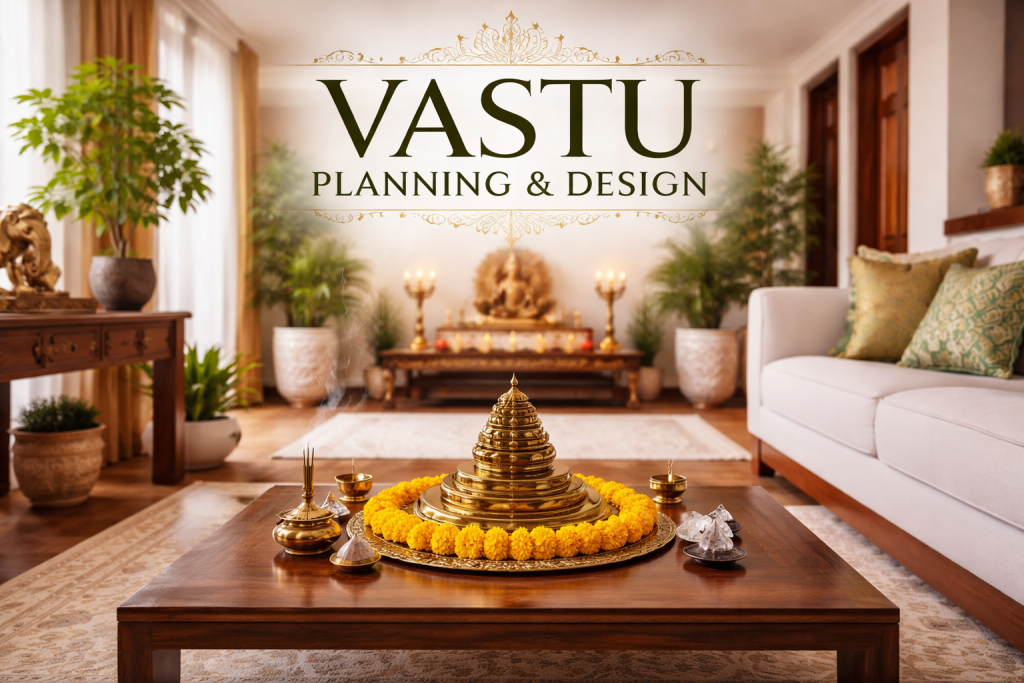
Creating a home that radiates positive energy is no longer just about aesthetics. The ancient Indian science of **Vastu Shastra** emphasizes the harmony between natural elements and the built environment, influencing health, prosperity, and happiness. By following Vastu principles, homeowners can design spaces that not only look beautiful but also promote well-being. ## 1. Importance of Entrance Direction The entrance of your home plays a crucial role in attracting positive energy. According to Vastu: * **North or East-facing entrances** are considered highly auspicious. * Avoid clutter near the main door to ensure smooth energy flow. * Install bright lighting or a small Vastu pyramid near the entrance to invite positivity. A well-planned entrance sets the tone for the energy inside your home. ## 2. Placement of the Living Room The living room is where family interactions and social gatherings occur. Proper Vastu planning can enhance happiness and bonding: * Ideally, the **living room should face East, North, or Northeast**. * Keep the center of the room open and clutter-free to allow energy to circulate. * Avoid placing heavy furniture in the center. * Mirrors can be used to reflect positive energy, but avoid placing them opposite the main door. ## 3. Kitchen Layout and Design The kitchen is associated with health and prosperity. Vastu recommends: * **Southeast corner** is ideal for the kitchen as it represents the fire element. * Cooking should be done facing **East** to enhance positivity. * Keep the kitchen clean and well-ventilated. * Avoid placing the kitchen directly opposite the main door. Adding fresh herbs or small indoor plants can further improve energy circulation. ## 4. Bedroom Arrangement Bedrooms affect sleep quality, relationships, and overall well-being. Vastu tips include: * The **master bedroom** should ideally be in the **Southwest direction**. * Bed placement should have the **head towards the South or West**. * Avoid mirrors facing the bed as they may disturb sleep and peace. * Minimize electronics to ensure restful energy. ## 5. Bathroom and Toilet Placement Water-related areas influence health and emotional stability: * Bathrooms and toilets should be in the **Northwest or Southeast corners**. * Avoid placing them in the **Northeast corner** as it can lead to negative energy. * Ensure proper ventilation and cleanliness at all times. ## 6. Study and Work Area A dedicated study or home office requires proper Vastu alignment for focus and productivity: * **Northeast or East-facing rooms** are ideal for study or office spaces. * Place the study desk in a way that the person faces East or North while working. * Keep the area clutter-free and well-lit to enhance concentration. ## 7. Colors and Decor Colors have a direct impact on mood and energy. Vastu recommends: * **Light, soothing colors** such as beige, light yellow, or soft greens for living spaces. * **Blue or green shades** are suitable for meditation or study rooms. * Avoid dark or dull colors in areas where energy and positivity are required. Decor elements such as wind chimes, indoor plants, and artwork depicting nature can also attract positive energy. ## 8. Placement of Pooja Room Spiritual energy is vital for a harmonious home: * The **Northeast corner** is considered ideal for a pooja or meditation room. * Keep the area clean, bright, and clutter-free. * Avoid placing the pooja room near toilets or heavy machinery. ## 9. Open Spaces and Natural Light Natural light and open spaces allow energy to flow freely: * Ensure **large windows** for ventilation and sunlight. * Avoid blocking pathways or doors with furniture. * Courtyards or small indoor gardens enhance air circulation and positivity. ## 10. Maintaining Energy Flow Beyond placement and colors, maintaining energy flow is crucial: * Regularly **declutter rooms** to prevent stagnation. * Use **Vastu pyramids, crystals, or symbols** like Om and Swastik to attract positivity. * Keep doors and windows functional and open whenever possible. By integrating these simple Vastu tips, homeowners can transform their living spaces into havens of peace, prosperity, and positivity. — ### Key Takeaways * Proper orientation of rooms and doors is essential for positive energy. * Keep living spaces clutter-free and well-lit. * Use colors, furniture placement, and natural elements to enhance energy. * Spiritual and meditative spaces contribute significantly to overall well-being. With thoughtful design based on Vastu principles, your home can become a source of happiness, harmony, and success.
Vastu-Compliant Home Design: Expert Advice for Balanced Living
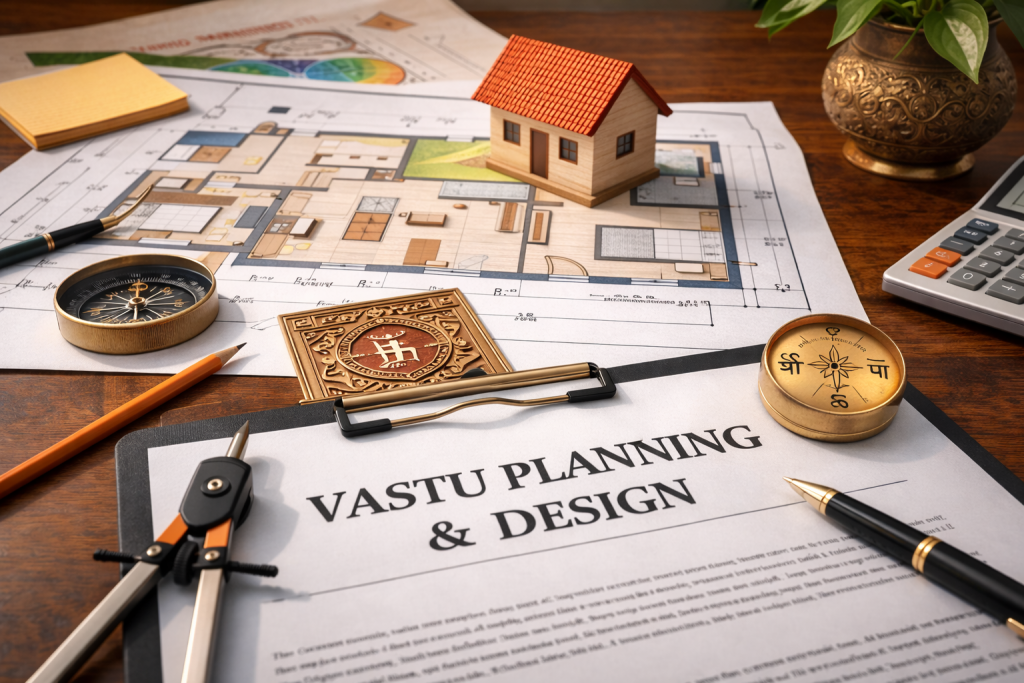
Vastu-Compliant Home Design: In Indian culture, the concept of Vastu Shastra has been followed for centuries as a guide to designing homes and spaces that promote positivity, health, and prosperity. A Vastu-compliant home is more than just a well-structured building—it is a space that balances energies, enhances well-being, and fosters harmonious living. By integrating traditional Vastu principles into modern home design, homeowners can create environments that support both physical and mental wellness. Understanding Vastu Shastra Vastu Shastra, often described as the “science of architecture,” is an ancient Indian practice that provides guidelines for constructing homes, offices, and other buildings. It focuses on the directional alignment of rooms, placement of furniture, and flow of energy, aiming to harmonize human life with natural forces. Key elements include: The Five Elements (Pancha Bhootas): Earth, Water, Fire, Air, and Space are considered essential energies that influence the atmosphere and wellbeing of inhabitants. Directional Influence: Different directions are associated with specific energies—north with wealth, east with health, south with fame, and west with stability. Room Placement: The location of rooms like the bedroom, kitchen, and living area affects the energy flow and overall harmony of the home. Key Principles for Vastu-Compliant Home Design Entrance and Main Door Placement The entrance is considered the gateway for energy. A north or east-facing main door is ideal, allowing positive energy to enter the home. Avoid clutter near entrances, and ensure that doors open smoothly without obstruction. Living Room Design The living room should ideally be located in the northeast or north part of the house. It should be spacious, well-lit, and free from heavy furniture blocking energy flow. The seating arrangement should promote conversation and positive interactions. Bedroom Alignment Bedrooms in the southwest direction are ideal for stability and good health. Beds should be positioned so that the head faces south while sleeping. Avoid placing mirrors directly opposite the bed, as they may reflect negative energy. Kitchen Placement and Layout The southeast corner is considered the best for kitchens, representing the element of fire. Cooking stoves should face east for better energy alignment. Keep the kitchen clean and well-ventilated to maintain positive vibes. Bathrooms and Toilets Bathrooms should ideally be in the northwest or southeast corners, away from the kitchen and living room. Proper ventilation and regular maintenance ensure that stagnant energy does not accumulate. Home Office and Study Area A north or east-facing study or work area encourages productivity and learning. Desks should face east or north, while avoiding positioning under beams, which may cause stress or pressure. Colors and Interior Design Colors influence mood and energy flow. Soft, earthy tones like beige, cream, and light green create calm and balance, while vibrant colors like red and orange can be used in moderation to energize specific areas. Furniture and Layout Furniture should allow free movement and not block energy pathways. Heavy furniture is best placed in the southwest or west corners, while lighter pieces can occupy north or east zones. Lighting and Ventilation Natural light and proper ventilation are crucial. Large windows in the north or east walls enhance positivity and freshness. Artificial lighting should complement natural light, avoiding harsh shadows that disturb harmony. Decor and Accessories Decor items, plants, and artwork should resonate with positive energy. Indoor plants in the northeast or east enhance health and vitality. Avoid sharp-edged furniture or objects in frequently used spaces. Benefits of a Vastu-Compliant Home Enhanced Wellbeing: Proper energy flow improves physical health, reduces stress, and fosters emotional balance. Prosperity and Wealth: Correct room placement and directional alignment can attract financial stability and growth. Peaceful Relationships: Harmonious layouts promote understanding and reduce conflicts among family members. Productivity and Focus: Workspaces aligned with Vastu encourage efficiency, creativity, and concentration. Spiritual Growth: Vastu-compliant spaces enhance mindfulness, meditation, and a sense of connectedness with nature. Expert Advice for Implementing Vastu Consult a Certified Vastu Expert: Personalized guidance ensures that your home aligns with both traditional principles and modern needs. Balance Tradition and Modern Design: While Vastu is ancient, it can be adapted to contemporary architecture without compromising aesthetics. Regular Energy Audits: Reassess home arrangements periodically to maintain harmony, especially after renovations or major changes. Avoid Overthinking: Focus on the overall flow rather than rigidly following every rule. Balance and comfort are key. Conclusion Designing a Vastu-compliant home is a thoughtful approach to creating spaces that nurture well-being, positivity, and harmony. From proper room placement and furniture arrangement to lighting, ventilation, and decor, each element plays a crucial role in balancing energies. By combining traditional Vastu principles with modern design sensibilities, homeowners can enjoy a space that supports health, prosperity, and peaceful living. Investing in Vastu-compliant home planning is not just about architecture—it is about fostering an environment where every member of the household can thrive physically, mentally, and spiritually.
Numerology Consultancy

Numerology Consultancy: How Expert Numerologists Guide Life Decisions Through Numbers In today’s fast-paced world, people often look for deeper meaning, clarity, and direction in life. While modern science and psychology provide many answers, ancient spiritual sciences like numerology continue to guide millions of individuals across the globe. Numerology consultancy has gained significant popularity as people seek personalized insights into their personality, career, relationships, and life path through numbers. Numerology is the mystical study of numbers and their influence on human life. According to numerologists, numbers carry vibrational energies that affect our destiny, behavior, and opportunities. A professional numerology consultant interprets these numbers to help individuals understand themselves better and make informed life decisions. This article explores what numerology consultancy is, how it works, its benefits, and why more people are turning to expert numerologists for guidance. What is Numerology? Numerology is an ancient belief system that studies the symbolic meaning of numbers and their impact on human life. It is based on the idea that every number has a specific vibration and energy that influences personality traits, life events, and destiny. The most commonly used numerology system calculates numbers from a person’s date of birth and full name. These numbers reveal key insights such as: Life Path Number Destiny Number Soul Urge Number Personality Number Each number represents certain characteristics and life patterns that can help individuals understand their strengths, weaknesses, and opportunities. What Does a Numerology Consultant Do? A numerology consultant is a trained expert who analyzes a person’s numbers and provides guidance based on their meanings and vibrations. The consultant interprets different numerological charts to provide insights about important life areas. Typical services offered by numerology consultants include: 1. Life Path Analysis The life path number is considered the most important number in numerology. It reveals a person’s natural talents, challenges, and purpose in life. For example: Number 1 represents leadership and independence Number 2 symbolizes harmony and cooperation Number 7 reflects spirituality and deep thinking Understanding your life path number can help you align your actions with your natural strengths. 2. Career and Business Guidance Many individuals consult numerologists for career advice. Numerology can help determine which professions suit a person’s personality and strengths. For example: Creative numbers may succeed in arts or media Analytical numbers may excel in research or technology Leadership numbers often thrive in entrepreneurship or management Business owners also use numerology to choose favorable business names, launch dates, and office locations. 3. Relationship Compatibility Numerology consultancy can also help evaluate compatibility between partners. By comparing the numbers of two individuals, numerologists analyze emotional harmony, communication style, and long-term compatibility. This guidance can be useful for: Marriage decisions Relationship improvement Understanding partner behavior Family harmony Many couples consult numerologists before marriage to ensure compatibility and stability. 4. Name Numerology Name numerology studies how the vibrations of letters in a name influence a person’s life. Sometimes numerologists recommend slight changes in spelling to align a name with favorable numbers. Many celebrities and business leaders have adopted name corrections based on numerology for success and recognition. 5. Lucky Numbers and Favorable Dates Numerologists also identify lucky numbers and favorable dates for important life events such as: Starting a business Buying property Getting married Signing contracts Launching new projects These insights help individuals choose dates that align with positive energy and success. Benefits of Numerology Consultancy There are several reasons why people seek professional numerology consultations. Self-Awareness Numerology helps individuals understand their personality traits, emotional patterns, and natural abilities. This awareness can lead to personal growth and improved decision-making. Clarity in Life Decisions From career changes to relationship choices, numerology can provide guidance when people feel uncertain or confused. Personal and Professional Growth By understanding favorable opportunities and potential challenges, individuals can plan their actions more effectively. Better Relationships Numerology compatibility analysis can improve communication and understanding between partners, family members, and colleagues. Confidence and Direction Knowing your life path and strengths often gives people a sense of purpose and confidence in their journey. How Numerology Consultancy Works A numerology consultation usually follows a structured process. Step 1: Personal Information The consultant collects basic details such as: Full name (as per birth certificate) Date of birth Sometimes current name or business name Step 2: Numerology Chart Creation Using numerological formulas, the consultant calculates important numbers such as: Life Path Number Destiny Number Expression Number Personal Year Number Step 3: Interpretation The consultant interprets the numbers and explains their influence on different aspects of life. Step 4: Guidance and Remedies Some numerologists provide practical suggestions such as: Name corrections Lucky numbers Favorable dates Lifestyle recommendations These insights help individuals align their actions with their natural energy patterns. Is Numerology Scientifically Proven? Numerology is considered a spiritual and metaphysical practice rather than a scientific discipline. While there is no scientific proof supporting numerology, many individuals believe it offers meaningful insights and guidance. Its value often lies in self-reflection and personal awareness rather than prediction. Like astrology and tarot, numerology serves as a tool for introspection and decision-making. Choosing a Reliable Numerology Consultant Because numerology involves personal guidance, it is important to consult a knowledgeable and ethical professional. Here are some tips for choosing a trustworthy numerologist: Look for experience and proven expertise Check client reviews or testimonials Avoid consultants who guarantee unrealistic outcomes Choose someone who provides clear explanations rather than vague predictions A responsible numerology consultant focuses on guidance, empowerment, and personal growth. The Growing Popularity of Numerology Consultancy With increasing stress and uncertainty in modern life, people are exploring alternative methods of self-understanding and guidance. Numerology consultancy has become popular among: Entrepreneurs Professionals Couples Students Spiritual seekers Online consultations have also made numerology accessible to people worldwide. Many numerologists now offer digital reports and virtual consultations. Conclusion Numerology consultancy combines ancient wisdom with personal insight to help individuals understand their life path and make informed decisions. By analyzing the vibrational energy of numbers, numerologists provide guidance related to personality, relationships, career, and life opportunities. While numerology
Residential Vastu Tips: Transform Your Home for Health, Wealth, and Harmony

Residential Vastu Tips: In today’s fast-paced world, our homes are not just places of shelter—they are spaces that deeply influence our mental, emotional, and financial well-being. This is where Residential Vastu Shastra, the ancient Indian science of architecture, comes into play. By aligning your home according to Vastu principles, you can invite positive energy, improve harmony, and enhance prosperity in your life. Understanding Residential Vastu Residential Vastu is the study of the natural energies and directions in a living space. It emphasizes the placement of rooms, furniture, and entrances to maximize health, wealth, and happiness. Experts believe that proper Vastu alignment ensures a smooth flow of energy, reduces stress, and fosters better relationships among family members. Key Benefits of Residential Vastu Health Improvement – Correct placement of bedrooms, kitchens, and bathrooms can reduce health issues and create a calm environment. Financial Growth – Aligning cash, safe, and workspace directions can attract financial stability and opportunities. Emotional Harmony – Proper Vastu ensures peace of mind, better communication, and stronger family bonds. Spiritual Balance – Homes designed with Vastu in mind enhance spiritual energy and positive vibrations. Essential Residential Vastu Tips Here are some practical and effective tips for transforming your home according to Vastu principles: 1. Entrance and Main Door The main entrance is considered the gateway for energy into your home. Direction: Ideally, the main door should face North, East, or Northeast. Tips: Keep the entrance clean, well-lit, and clutter-free. Avoid placing shoes or heavy items near the door. 2. Living Room The living room is where family members gather, so it should encourage positive energy. Direction: North or East facing living rooms are ideal. Tips: Use light-colored walls, maintain proper ventilation, and arrange furniture in a way that encourages conversation. 3. Kitchen Vastu The kitchen is associated with health and prosperity. Direction: Southeast is ideal, while Northwest is acceptable. Tips: Avoid placing the stove directly under a beam. Store grains and food items in the South or West direction. 4. Bedroom Placement Bedrooms significantly influence relationships and personal well-being. Master Bedroom: Southwest is ideal for stability and strong relationships. Children’s Bedroom: West or Northwest ensures creativity and growth. Tips: Avoid mirrors facing the bed and keep electronics to a minimum for better sleep. 5. Bathroom and Toilets Bathrooms can impact health and energy flow. Direction: Northwest or West is preferred. Tips: Always keep the bathroom doors closed, and maintain cleanliness to prevent negative energy accumulation. 6. Study and Home Office For focus, productivity, and financial success: Direction: East or Northeast is ideal for study rooms. Tips: Place the study table in a way that the student faces East or North while studying. 7. Colors and Lighting Colors have a profound effect on energy. Living Room: Light shades like cream, beige, and pastels. Bedroom: Soft tones like light blue, green, or lavender. Tips: Maximize natural light and ensure balanced artificial lighting for positive vibes. 8. Vastu Remedies for Existing Homes If your home is not built according to Vastu, simple remedies can help: Use crystals, mirrors, and plants to redirect energy flow. Place water fountains or indoor plants in the North or East to attract prosperity. Ensure clutter-free spaces to maintain a smooth flow of energy. Common Residential Vastu Mistakes to Avoid Placing the main door in the South or Southwest direction. Kitchen or stove in the Northeast direction. Bedroom under beams or with mirrors facing the bed. Bathrooms in the Northeast or East direction. Using dark or dull colors excessively. Avoiding these mistakes can prevent energy blockages, health issues, and financial instability. Why Consult a Vastu Expert? While simple tips can help, consulting a Vastu expert ensures your home is fully aligned with natural energies. They provide personalized guidance on room placement, furniture arrangement, and remedies, ensuring that the energy flow is optimized for every family member. Conclusion Residential Vastu is more than just architecture—it is a holistic approach to creating a harmonious, prosperous, and positive living environment. By implementing these practical tips and remedies, you can transform your home into a sanctuary of health, wealth, and happiness. A well-aligned home not only improves your daily life but also uplifts the emotional and spiritual well-being of everyone living in it. Start your Residential Vastu journey today and experience the subtle but powerful benefits it brings to your life.
