
Residential Vastu: Complete Guide to Vastu Shastra for Homes
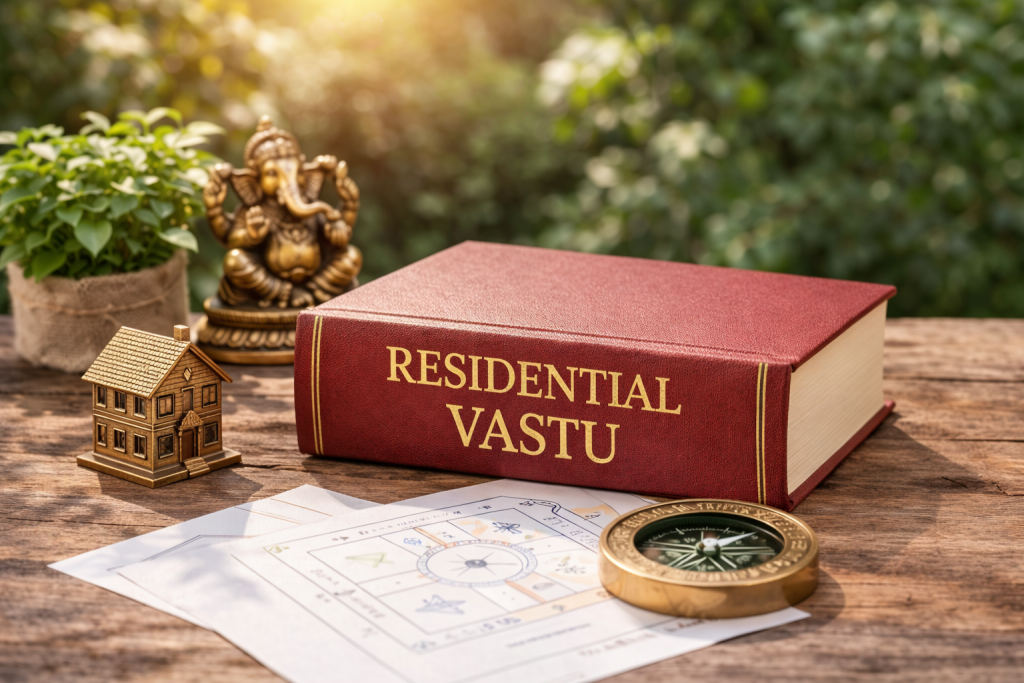
Residential Vastu is the application of ancient Indian architectural principles, known as Vastu Shastra, to homes and living spaces. It focuses on balancing natural energies to create harmony, prosperity, health, and happiness for residents. By aligning a house with the five elements—earth, water, fire, air, and space—Vastu aims to enhance positive energy and reduce negativity. What is Residential Vastu? Residential Vastu involves designing and organizing a home in a way that aligns with natural forces and directional energies. It considers factors such as layout, room placement, entrance direction, and interior arrangement to ensure a positive living environment. Importance of Vastu in Homes 1. Positive Energy Flow A Vastu-compliant home allows smooth flow of positive energy, improving overall well-being. 2. Health and Well-being Proper ventilation, sunlight, and space alignment contribute to better physical and mental health. 3. Financial Growth Vastu principles are believed to attract prosperity and financial stability. 4. Peace and Harmony Balanced energy reduces stress and promotes family harmony. Basic Principles of Vastu Shastra Vastu is based on: Directional alignment (North, South, East, West) Five elements (Panchabhutas) Energy flow and balance Symmetry and spatial arrangement Each direction is associated with specific energies and elements. Ideal Plot and House Direction North or East-facing plots are considered most auspicious Square or rectangular plots are preferred Avoid irregular or cut-shaped plots The entrance direction plays a crucial role in energy flow. Main Entrance Vastu Entrance should ideally face North, East, or Northeast Keep the entrance clean, well-lit, and clutter-free Avoid placing dustbins or obstacles near the door A well-placed entrance invites positive energy into the home. Living Room Vastu Located in the North or East direction Use light colors and comfortable seating Avoid heavy furniture blocking pathways This area should promote relaxation and social interaction. Kitchen Vastu Ideal location: Southeast (associated with fire element) Alternative: Northwest direction Cooking should be done facing East Keep kitchen clean and organized Proper kitchen placement ensures health and prosperity. Bedroom Vastu Master Bedroom Southwest direction is ideal Promotes stability and strength Children’s Bedroom West or Northwest direction Encourages growth and creativity Guest Bedroom Northwest direction Avoid placing beds directly under beams. Bathroom and Toilet Vastu Best located in Northwest or Southeast Avoid placing bathrooms in Northeast Ensure proper ventilation and cleanliness Improper placement can affect health and energy balance. पूजा Room (Pooja Room) Vastu Northeast direction is most auspicious Keep idols facing West or East Maintain cleanliness and peaceful environment This area should be calm and spiritually uplifting. Staircase Vastu Ideal direction: South, Southwest, or West Avoid placing staircase in the center of the house Should move in a clockwise direction Colors and Interior Vastu Use light and soothing colors like white, cream, and light blue Avoid dark colors in small spaces Choose colors based on room function Colors influence mood and energy. Vastu for Doors and Windows Ensure proper ventilation and natural light Doors should open inward Avoid creaking or damaged doors Windows in North and East directions are beneficial. Vastu for Furniture Placement Heavy furniture in South or West Avoid clutter in center (Brahmasthan) Keep pathways clear Proper placement enhances energy flow. Common Vastu Doshas (Defects) Incorrect entrance direction Kitchen in wrong location Toilets in Northeast Cluttered spaces These can be corrected with simple remedies. Vastu Remedies Use mirrors to redirect energy Place plants for positivity Use Vastu pyramids or symbols Keep house clean and organized Remedies help balance negative energy. Modern Relevance of Vastu In modern homes and apartments, complete Vastu compliance may not always be possible. However, small adjustments can still improve energy balance and comfort. Benefits of Following Residential Vastu Improved health and happiness Better financial stability Stronger relationships Peaceful living environment Limitations of Vastu Not scientifically proven in all aspects May not suit all modern layouts Requires practical adaptation Conclusion Residential Vastu offers a holistic approach to designing and organizing homes by aligning them with natural energies. While it is rooted in ancient traditions, its principles continue to influence modern living spaces. By applying basic Vastu guidelines, homeowners can create a balanced, harmonious, and positive environment that supports well-being and prosperity.
Vastu Design Tips Every Homeowner Must Know for Positive Energy
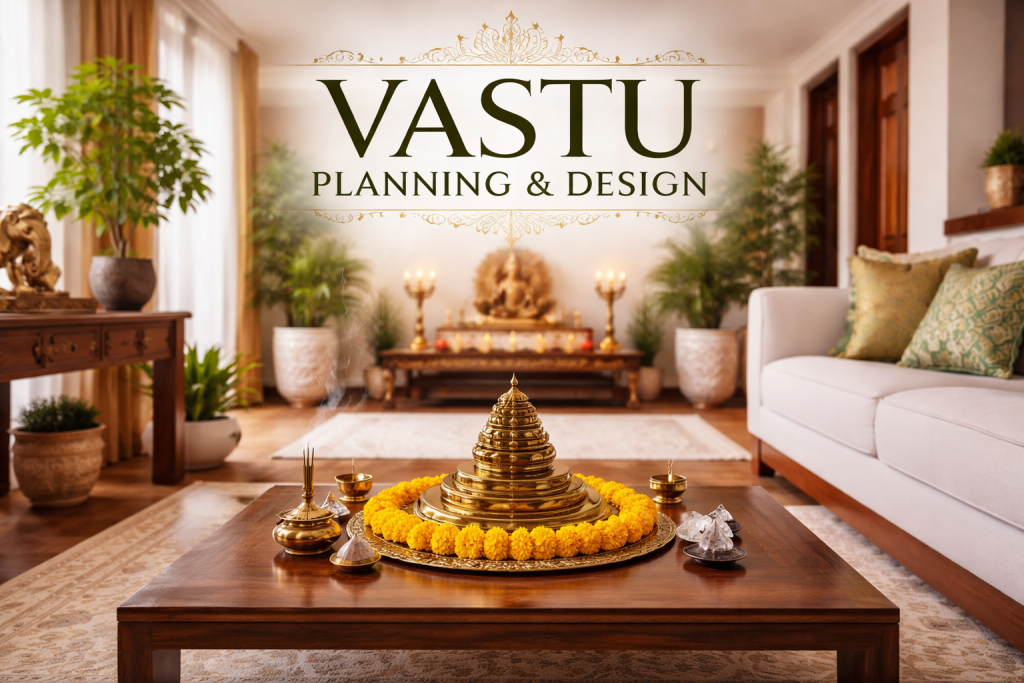
Creating a home that radiates positive energy is no longer just about aesthetics. The ancient Indian science of **Vastu Shastra** emphasizes the harmony between natural elements and the built environment, influencing health, prosperity, and happiness. By following Vastu principles, homeowners can design spaces that not only look beautiful but also promote well-being. ## 1. Importance of Entrance Direction The entrance of your home plays a crucial role in attracting positive energy. According to Vastu: * **North or East-facing entrances** are considered highly auspicious. * Avoid clutter near the main door to ensure smooth energy flow. * Install bright lighting or a small Vastu pyramid near the entrance to invite positivity. A well-planned entrance sets the tone for the energy inside your home. ## 2. Placement of the Living Room The living room is where family interactions and social gatherings occur. Proper Vastu planning can enhance happiness and bonding: * Ideally, the **living room should face East, North, or Northeast**. * Keep the center of the room open and clutter-free to allow energy to circulate. * Avoid placing heavy furniture in the center. * Mirrors can be used to reflect positive energy, but avoid placing them opposite the main door. ## 3. Kitchen Layout and Design The kitchen is associated with health and prosperity. Vastu recommends: * **Southeast corner** is ideal for the kitchen as it represents the fire element. * Cooking should be done facing **East** to enhance positivity. * Keep the kitchen clean and well-ventilated. * Avoid placing the kitchen directly opposite the main door. Adding fresh herbs or small indoor plants can further improve energy circulation. ## 4. Bedroom Arrangement Bedrooms affect sleep quality, relationships, and overall well-being. Vastu tips include: * The **master bedroom** should ideally be in the **Southwest direction**. * Bed placement should have the **head towards the South or West**. * Avoid mirrors facing the bed as they may disturb sleep and peace. * Minimize electronics to ensure restful energy. ## 5. Bathroom and Toilet Placement Water-related areas influence health and emotional stability: * Bathrooms and toilets should be in the **Northwest or Southeast corners**. * Avoid placing them in the **Northeast corner** as it can lead to negative energy. * Ensure proper ventilation and cleanliness at all times. ## 6. Study and Work Area A dedicated study or home office requires proper Vastu alignment for focus and productivity: * **Northeast or East-facing rooms** are ideal for study or office spaces. * Place the study desk in a way that the person faces East or North while working. * Keep the area clutter-free and well-lit to enhance concentration. ## 7. Colors and Decor Colors have a direct impact on mood and energy. Vastu recommends: * **Light, soothing colors** such as beige, light yellow, or soft greens for living spaces. * **Blue or green shades** are suitable for meditation or study rooms. * Avoid dark or dull colors in areas where energy and positivity are required. Decor elements such as wind chimes, indoor plants, and artwork depicting nature can also attract positive energy. ## 8. Placement of Pooja Room Spiritual energy is vital for a harmonious home: * The **Northeast corner** is considered ideal for a pooja or meditation room. * Keep the area clean, bright, and clutter-free. * Avoid placing the pooja room near toilets or heavy machinery. ## 9. Open Spaces and Natural Light Natural light and open spaces allow energy to flow freely: * Ensure **large windows** for ventilation and sunlight. * Avoid blocking pathways or doors with furniture. * Courtyards or small indoor gardens enhance air circulation and positivity. ## 10. Maintaining Energy Flow Beyond placement and colors, maintaining energy flow is crucial: * Regularly **declutter rooms** to prevent stagnation. * Use **Vastu pyramids, crystals, or symbols** like Om and Swastik to attract positivity. * Keep doors and windows functional and open whenever possible. By integrating these simple Vastu tips, homeowners can transform their living spaces into havens of peace, prosperity, and positivity. — ### Key Takeaways * Proper orientation of rooms and doors is essential for positive energy. * Keep living spaces clutter-free and well-lit. * Use colors, furniture placement, and natural elements to enhance energy. * Spiritual and meditative spaces contribute significantly to overall well-being. With thoughtful design based on Vastu principles, your home can become a source of happiness, harmony, and success.
