
Vastu Planning and Design: Creating Harmonious Living and Working Spaces
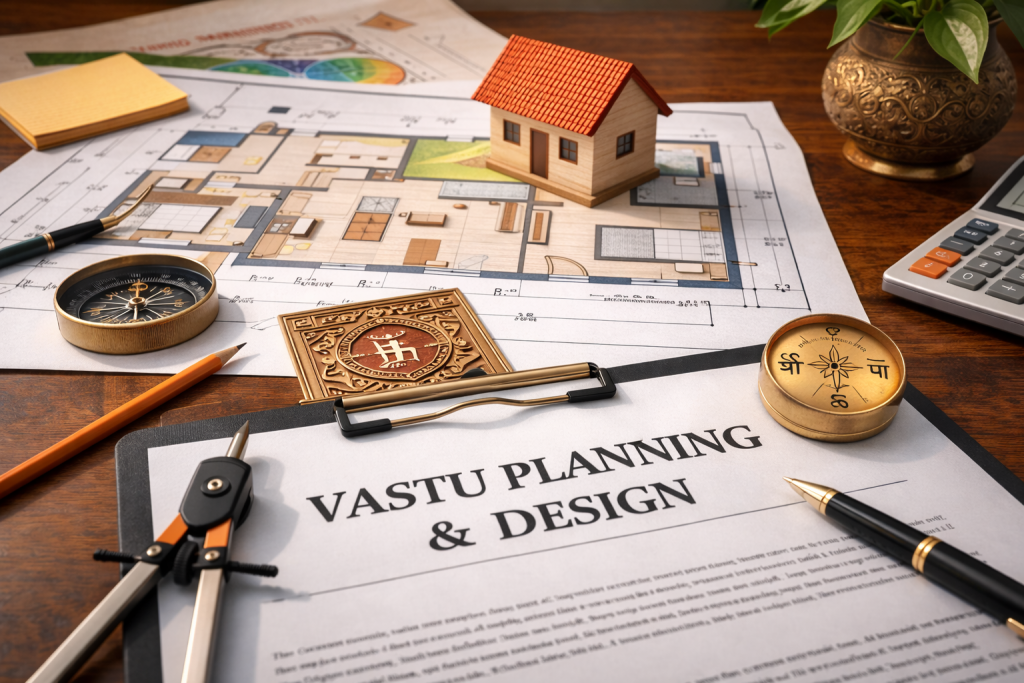
Vastu Planning and Design is an ancient Indian architectural science that focuses on creating balanced and harmonious spaces by aligning buildings with natural energies. Rooted in the traditional system of Vastu Shastra, it integrates elements of nature—earth, water, fire, air, and space—to enhance health, prosperity, and well-being. Today, Vastu principles are widely used in homes, offices, and commercial spaces to improve energy flow and create positive environments. What is Vastu Planning? Vastu planning involves designing and organizing spaces according to directional alignments and natural forces. It emphasizes the placement of rooms, entrances, furniture, and utilities in a way that maximizes positive energy and minimizes negative influences. The concept is based on the idea that every direction is governed by specific energies and elements. Proper alignment ensures that these energies are utilized effectively, promoting peace, success, and happiness. Principles of Vastu Shastra Vastu planning is guided by several key principles: Directional Alignment: Each direction (North, South, East, West) has specific significance Five Elements (Panchabhutas): Earth, water, fire, air, and space must be balanced Energy Flow: Spaces should allow smooth movement of energy Symmetry and Proportion: Balanced design enhances stability and harmony These principles help create spaces that are not only aesthetically pleasing but also energetically supportive. Importance of Vastu in Modern Design In today’s fast-paced world, Vastu planning is gaining popularity for its perceived benefits: Improved Mental Peace: Balanced spaces reduce stress and anxiety Better Health: Proper ventilation and sunlight contribute to well-being Financial Growth: Many believe Vastu alignment attracts prosperity Enhanced Productivity: Workspaces designed with Vastu principles improve focus and efficiency While scientific evidence may vary, many people find comfort and confidence in Vastu-compliant environments. Vastu for Residential Spaces Vastu plays a significant role in home design. Key recommendations include: Entrance The main entrance should ideally face North, East, or Northeast, allowing positive energy to enter the home. Living Room Located in the North or East direction, the living room should be well-lit and clutter-free. Kitchen The Southeast direction is considered ideal for the kitchen, representing the fire element. Bedroom The master bedroom should be in the Southwest direction for stability and strength. Bathroom Bathrooms should be placed in the Northwest or Southeast to maintain balance. पूजा Room (Pooja Room) The Northeast direction is considered highly auspicious for spiritual activities. Vastu for Commercial Spaces Businesses and offices also benefit from Vastu planning: Office Entrance: North or East-facing entrances are preferred Workstations: Employees should face North or East while working Cabin Placement: Senior management cabins should be in the Southwest Cash Counters: Ideally placed in the North direction Conference Rooms: Located in the Northwest for better communication These arrangements are believed to enhance productivity, teamwork, and financial success. Vastu and Interior Design Vastu is not limited to structural design; it also influences interior elements: Furniture Placement: Avoid blocking energy flow Colors: Use colors based on direction and purpose (e.g., light shades for calmness) Lighting: Ensure adequate natural and artificial lighting Decor: Use positive symbols and avoid negative imagery Combining Vastu with modern interior design creates functional and harmonious spaces. Common Vastu Doshas and Remedies Vastu doshas (defects) occur when spaces are not aligned with Vastu principles. Common issues include: Incorrect entrance direction Improper placement of kitchen or bathroom Blocked natural light or ventilation Remedies may include: Rearranging furniture Using mirrors or colors to balance energy Installing Vastu pyramids or other corrective tools These remedies are often simple and do not require major structural changes. Scientific Perspective on Vastu While Vastu is rooted in traditional beliefs, some aspects align with modern science: Proper ventilation improves air quality Sunlight exposure enhances health Organized spaces reduce stress However, many Vastu concepts are based on cultural and spiritual beliefs rather than empirical evidence. Role of Vastu Consultants Professional Vastu consultants help design or modify spaces according to Vastu principles. Their services include: Site analysis Layout planning Interior recommendations Vastu corrections Hiring an experienced consultant ensures that Vastu principles are applied effectively. Vastu in Urban Living In modern urban settings, strict adherence to Vastu may not always be possible due to space constraints. However, small adjustments can still make a difference: Keeping spaces clean and clutter-free Ensuring proper lighting and ventilation Using Vastu-friendly colors and layouts Even partial implementation can create a more balanced environment. Benefits of Vastu Planning Vastu planning offers several perceived advantages: Harmonious living environment Better relationships and communication Increased positivity and motivation Enhanced overall well-being These benefits make Vastu a popular choice for both residential and commercial design. Conclusion Vastu Planning and Design is a blend of traditional wisdom and practical design principles aimed at creating balanced and positive spaces. While its effectiveness may vary from person to person, its emphasis on harmony, organization, and natural elements makes it a valuable approach to architecture and interior design. Incorporating Vastu principles—whether fully or partially—can help create spaces that feel more comfortable, peaceful, and aligned with personal goals. As modern design continues to evolve, Vastu remains a timeless guide for achieving balance between human life and the natural environment.
Residential Vastu: Complete Guide to Vastu Shastra for Homes
Residential Vastu is the application of ancient Indian architectural principles, known as Vastu Shastra, to homes and living spaces. It focuses on balancing natural energies to create harmony, prosperity, health, and happiness for residents. By aligning a house with the five elements—earth, water, fire, air, and space—Vastu aims to enhance positive energy and reduce negativity. What is Residential Vastu? Residential Vastu involves designing and organizing a home in a way that aligns with natural forces and directional energies. It considers factors such as layout, room placement, entrance direction, and interior arrangement to ensure a positive living environment. Importance of Vastu in Homes 1. Positive Energy Flow A Vastu-compliant home allows smooth flow of positive energy, improving overall well-being. 2. Health and Well-being Proper ventilation, sunlight, and space alignment contribute to better physical and mental health. 3. Financial Growth Vastu principles are believed to attract prosperity and financial stability. 4. Peace and Harmony Balanced energy reduces stress and promotes family harmony. Basic Principles of Vastu Shastra Vastu is based on: Directional alignment (North, South, East, West) Five elements (Panchabhutas) Energy flow and balance Symmetry and spatial arrangement Each direction is associated with specific energies and elements. Ideal Plot and House Direction North or East-facing plots are considered most auspicious Square or rectangular plots are preferred Avoid irregular or cut-shaped plots The entrance direction plays a crucial role in energy flow. Main Entrance Vastu Entrance should ideally face North, East, or Northeast Keep the entrance clean, well-lit, and clutter-free Avoid placing dustbins or obstacles near the door A well-placed entrance invites positive energy into the home. Living Room Vastu Located in the North or East direction Use light colors and comfortable seating Avoid heavy furniture blocking pathways This area should promote relaxation and social interaction. Kitchen Vastu Ideal location: Southeast (associated with fire element) Alternative: Northwest direction Cooking should be done facing East Keep kitchen clean and organized Proper kitchen placement ensures health and prosperity. Bedroom Vastu Master Bedroom Southwest direction is ideal Promotes stability and strength Children’s Bedroom West or Northwest direction Encourages growth and creativity Guest Bedroom Northwest direction Avoid placing beds directly under beams. Bathroom and Toilet Vastu Best located in Northwest or Southeast Avoid placing bathrooms in Northeast Ensure proper ventilation and cleanliness Improper placement can affect health and energy balance. पूजा Room (Pooja Room) Vastu Northeast direction is most auspicious Keep idols facing West or East Maintain cleanliness and peaceful environment This area should be calm and spiritually uplifting. Staircase Vastu Ideal direction: South, Southwest, or West Avoid placing staircase in the center of the house Should move in a clockwise direction Colors and Interior Vastu Use light and soothing colors like white, cream, and light blue Avoid dark colors in small spaces Choose colors based on room function Colors influence mood and energy. Vastu for Doors and Windows Ensure proper ventilation and natural light Doors should open inward Avoid creaking or damaged doors Windows in North and East directions are beneficial. Vastu for Furniture Placement Heavy furniture in South or West Avoid clutter in center (Brahmasthan) Keep pathways clear Proper placement enhances energy flow. Common Vastu Doshas (Defects) Incorrect entrance direction Kitchen in wrong location Toilets in Northeast Cluttered spaces These can be corrected with simple remedies. Vastu Remedies Use mirrors to redirect energy Place plants for positivity Use Vastu pyramids or symbols Keep house clean and organized Remedies help balance negative energy. Modern Relevance of Vastu In modern homes and apartments, complete Vastu compliance may not always be possible. However, small adjustments can still improve energy balance and comfort. Benefits of Following Residential Vastu Improved health and happiness Better financial stability Stronger relationships Peaceful living environment Limitations of Vastu Not scientifically proven in all aspects May not suit all modern layouts Requires practical adaptation Conclusion Residential Vastu offers a holistic approach to designing and organizing homes by aligning them with natural energies. While it is rooted in ancient traditions, its principles continue to influence modern living spaces. By applying basic Vastu guidelines, homeowners can create a balanced, harmonious, and positive environment that supports well-being and prosperity.
Vastu Design Tips Every Homeowner Must Know for Positive Energy
Creating a home that radiates positive energy is no longer just about aesthetics. The ancient Indian science of **Vastu Shastra** emphasizes the harmony between natural elements and the built environment, influencing health, prosperity, and happiness. By following Vastu principles, homeowners can design spaces that not only look beautiful but also promote well-being. ## 1. Importance of Entrance Direction The entrance of your home plays a crucial role in attracting positive energy. According to Vastu: * **North or East-facing entrances** are considered highly auspicious. * Avoid clutter near the main door to ensure smooth energy flow. * Install bright lighting or a small Vastu pyramid near the entrance to invite positivity. A well-planned entrance sets the tone for the energy inside your home. ## 2. Placement of the Living Room The living room is where family interactions and social gatherings occur. Proper Vastu planning can enhance happiness and bonding: * Ideally, the **living room should face East, North, or Northeast**. * Keep the center of the room open and clutter-free to allow energy to circulate. * Avoid placing heavy furniture in the center. * Mirrors can be used to reflect positive energy, but avoid placing them opposite the main door. ## 3. Kitchen Layout and Design The kitchen is associated with health and prosperity. Vastu recommends: * **Southeast corner** is ideal for the kitchen as it represents the fire element. * Cooking should be done facing **East** to enhance positivity. * Keep the kitchen clean and well-ventilated. * Avoid placing the kitchen directly opposite the main door. Adding fresh herbs or small indoor plants can further improve energy circulation. ## 4. Bedroom Arrangement Bedrooms affect sleep quality, relationships, and overall well-being. Vastu tips include: * The **master bedroom** should ideally be in the **Southwest direction**. * Bed placement should have the **head towards the South or West**. * Avoid mirrors facing the bed as they may disturb sleep and peace. * Minimize electronics to ensure restful energy. ## 5. Bathroom and Toilet Placement Water-related areas influence health and emotional stability: * Bathrooms and toilets should be in the **Northwest or Southeast corners**. * Avoid placing them in the **Northeast corner** as it can lead to negative energy. * Ensure proper ventilation and cleanliness at all times. ## 6. Study and Work Area A dedicated study or home office requires proper Vastu alignment for focus and productivity: * **Northeast or East-facing rooms** are ideal for study or office spaces. * Place the study desk in a way that the person faces East or North while working. * Keep the area clutter-free and well-lit to enhance concentration. ## 7. Colors and Decor Colors have a direct impact on mood and energy. Vastu recommends: * **Light, soothing colors** such as beige, light yellow, or soft greens for living spaces. * **Blue or green shades** are suitable for meditation or study rooms. * Avoid dark or dull colors in areas where energy and positivity are required. Decor elements such as wind chimes, indoor plants, and artwork depicting nature can also attract positive energy. ## 8. Placement of Pooja Room Spiritual energy is vital for a harmonious home: * The **Northeast corner** is considered ideal for a pooja or meditation room. * Keep the area clean, bright, and clutter-free. * Avoid placing the pooja room near toilets or heavy machinery. ## 9. Open Spaces and Natural Light Natural light and open spaces allow energy to flow freely: * Ensure **large windows** for ventilation and sunlight. * Avoid blocking pathways or doors with furniture. * Courtyards or small indoor gardens enhance air circulation and positivity. ## 10. Maintaining Energy Flow Beyond placement and colors, maintaining energy flow is crucial: * Regularly **declutter rooms** to prevent stagnation. * Use **Vastu pyramids, crystals, or symbols** like Om and Swastik to attract positivity. * Keep doors and windows functional and open whenever possible. By integrating these simple Vastu tips, homeowners can transform their living spaces into havens of peace, prosperity, and positivity. — ### Key Takeaways * Proper orientation of rooms and doors is essential for positive energy. * Keep living spaces clutter-free and well-lit. * Use colors, furniture placement, and natural elements to enhance energy. * Spiritual and meditative spaces contribute significantly to overall well-being. With thoughtful design based on Vastu principles, your home can become a source of happiness, harmony, and success.
Vastu-Compliant Home Design: A Guide to Harmonious Living Spaces
A home is more than just a physical structure; it is a place where individuals seek comfort, peace, and prosperity. For centuries, the traditional Indian science of Vastu Shastra has guided the design and layout of homes to create harmony between human living spaces and natural energies. Vastu principles focus on balancing the five natural elements—earth, water, fire, air, and space—to promote positive energy and well-being. In modern architecture and interior design, many homeowners incorporate Vastu guidelines to create spaces that are not only aesthetically pleasing but also balanced and harmonious. Understanding the fundamentals of Vastu-compliant home design can help homeowners improve the flow of energy and enhance the overall atmosphere of their living spaces. Understanding Vastu-Compliant Design Vastu-compliant home design refers to planning and constructing a house according to the principles of Vastu Shastra. These principles focus on the orientation, layout, and positioning of rooms to ensure a balanced environment. The goal of Vastu design is to align the home with natural forces such as sunlight, wind direction, and magnetic energy. By doing so, the living environment becomes more comfortable and supportive of physical and emotional well-being. A Vastu-compliant home is believed to enhance positivity, productivity, and prosperity for the people living in it. Importance of Direction in Vastu Planning One of the most important aspects of Vastu design is the direction of the house and its rooms. Each direction is associated with specific energies and influences different aspects of life. For example, the east direction is associated with sunlight and positive energy, making it suitable for entrances and living spaces. The north direction is often considered beneficial for financial growth and opportunities. Proper alignment of rooms according to these directions helps maintain balance and harmony within the house. Ideal Entrance Placement The entrance of a home is considered one of the most significant elements in Vastu planning. It acts as the main channel through which energy enters the house. According to Vastu principles, entrances located in the north, east, or northeast directions are often considered favorable. These directions allow natural light and fresh air to enter the home, creating a welcoming and positive environment. The entrance area should also be well-lit, clean, and free from obstacles to encourage a smooth flow of energy. Living Room Design According to Vastu The living room is a space where family members and guests gather, making it an important area for social interaction and relaxation. In Vastu-compliant homes, the living room is ideally located in the north or east direction. Furniture placement should allow easy movement and create an open, comfortable atmosphere. Using light colors and maintaining a clutter-free environment can further enhance the positive energy of the living room. Vastu Guidelines for the Kitchen The kitchen represents the fire element in Vastu design. Proper placement and layout of the kitchen are essential for maintaining balance within the home. According to traditional guidelines, the southeast direction is considered the most suitable location for a kitchen. This direction is associated with the fire element, making it ideal for cooking activities. The cooking stove should be positioned in such a way that the person cooking faces east while preparing meals. Proper ventilation and cleanliness are also important for maintaining positive energy in the kitchen. Bedroom Placement and Design Bedrooms are spaces for rest and relaxation, and their design plays an important role in promoting peaceful sleep and emotional well-being. In Vastu planning, the southwest direction is often recommended for the master bedroom. This placement is believed to provide stability and security. Beds should ideally be placed so that the head faces south or east while sleeping. Calm colors, minimal clutter, and comfortable lighting can create a peaceful bedroom environment. Importance of Natural Light and Ventilation Natural light and proper ventilation are essential elements in Vastu-compliant home design. Sunlight is considered a powerful source of positive energy that helps purify the living environment. Large windows, open spaces, and proper airflow allow fresh air to circulate throughout the house. This not only improves indoor air quality but also creates a more comfortable and healthy living space. Modern architecture often integrates these principles by designing homes that maximize natural light and airflow. Role of Interior Design in Vastu Interior design also plays a crucial role in maintaining harmony within a Vastu-compliant home. The placement of furniture, decorative elements, and colors can influence the overall energy of a space. Light and soothing colors are often recommended to create a calm and balanced atmosphere. Indoor plants, natural materials, and simple decor can enhance the aesthetic appeal of the home while maintaining a positive energy flow. Avoiding clutter is also important because excessive objects can block the natural flow of energy within the house. Balancing Modern Architecture with Vastu Principles Many modern homeowners seek to combine contemporary architectural styles with traditional Vastu principles. This approach allows them to enjoy the benefits of modern design while maintaining a harmonious living environment. Architects and interior designers often incorporate Vastu guidelines during the planning stage to ensure that the layout aligns with both functional and energetic considerations. With careful planning, it is possible to create homes that are stylish, comfortable, and aligned with Vastu concepts. Conclusion Vastu-compliant home design focuses on creating living spaces that are balanced, comfortable, and aligned with natural energies. By following the principles of Vastu Shastra, homeowners can design spaces that promote harmony, health, and prosperity. From the placement of entrances and rooms to the use of natural light and thoughtful interior design, every element contributes to the overall energy of a home. While modern architecture continues to evolve, integrating traditional Vastu guidelines can help create homes that support both functionality and well-being. For homeowners and designers alike, understanding Vastu principles can provide valuable insights into building spaces that nurture positivity and harmony in everyday life.
Vastu-Compliant Home Design: Expert Advice for Balanced Living
Vastu-Compliant Home Design: In Indian culture, the concept of Vastu Shastra has been followed for centuries as a guide to designing homes and spaces that promote positivity, health, and prosperity. A Vastu-compliant home is more than just a well-structured building—it is a space that balances energies, enhances well-being, and fosters harmonious living. By integrating traditional Vastu principles into modern home design, homeowners can create environments that support both physical and mental wellness. Understanding Vastu Shastra Vastu Shastra, often described as the “science of architecture,” is an ancient Indian practice that provides guidelines for constructing homes, offices, and other buildings. It focuses on the directional alignment of rooms, placement of furniture, and flow of energy, aiming to harmonize human life with natural forces. Key elements include: The Five Elements (Pancha Bhootas): Earth, Water, Fire, Air, and Space are considered essential energies that influence the atmosphere and wellbeing of inhabitants. Directional Influence: Different directions are associated with specific energies—north with wealth, east with health, south with fame, and west with stability. Room Placement: The location of rooms like the bedroom, kitchen, and living area affects the energy flow and overall harmony of the home. Key Principles for Vastu-Compliant Home Design Entrance and Main Door Placement The entrance is considered the gateway for energy. A north or east-facing main door is ideal, allowing positive energy to enter the home. Avoid clutter near entrances, and ensure that doors open smoothly without obstruction. Living Room Design The living room should ideally be located in the northeast or north part of the house. It should be spacious, well-lit, and free from heavy furniture blocking energy flow. The seating arrangement should promote conversation and positive interactions. Bedroom Alignment Bedrooms in the southwest direction are ideal for stability and good health. Beds should be positioned so that the head faces south while sleeping. Avoid placing mirrors directly opposite the bed, as they may reflect negative energy. Kitchen Placement and Layout The southeast corner is considered the best for kitchens, representing the element of fire. Cooking stoves should face east for better energy alignment. Keep the kitchen clean and well-ventilated to maintain positive vibes. Bathrooms and Toilets Bathrooms should ideally be in the northwest or southeast corners, away from the kitchen and living room. Proper ventilation and regular maintenance ensure that stagnant energy does not accumulate. Home Office and Study Area A north or east-facing study or work area encourages productivity and learning. Desks should face east or north, while avoiding positioning under beams, which may cause stress or pressure. Colors and Interior Design Colors influence mood and energy flow. Soft, earthy tones like beige, cream, and light green create calm and balance, while vibrant colors like red and orange can be used in moderation to energize specific areas. Furniture and Layout Furniture should allow free movement and not block energy pathways. Heavy furniture is best placed in the southwest or west corners, while lighter pieces can occupy north or east zones. Lighting and Ventilation Natural light and proper ventilation are crucial. Large windows in the north or east walls enhance positivity and freshness. Artificial lighting should complement natural light, avoiding harsh shadows that disturb harmony. Decor and Accessories Decor items, plants, and artwork should resonate with positive energy. Indoor plants in the northeast or east enhance health and vitality. Avoid sharp-edged furniture or objects in frequently used spaces. Benefits of a Vastu-Compliant Home Enhanced Wellbeing: Proper energy flow improves physical health, reduces stress, and fosters emotional balance. Prosperity and Wealth: Correct room placement and directional alignment can attract financial stability and growth. Peaceful Relationships: Harmonious layouts promote understanding and reduce conflicts among family members. Productivity and Focus: Workspaces aligned with Vastu encourage efficiency, creativity, and concentration. Spiritual Growth: Vastu-compliant spaces enhance mindfulness, meditation, and a sense of connectedness with nature. Expert Advice for Implementing Vastu Consult a Certified Vastu Expert: Personalized guidance ensures that your home aligns with both traditional principles and modern needs. Balance Tradition and Modern Design: While Vastu is ancient, it can be adapted to contemporary architecture without compromising aesthetics. Regular Energy Audits: Reassess home arrangements periodically to maintain harmony, especially after renovations or major changes. Avoid Overthinking: Focus on the overall flow rather than rigidly following every rule. Balance and comfort are key. Conclusion Designing a Vastu-compliant home is a thoughtful approach to creating spaces that nurture well-being, positivity, and harmony. From proper room placement and furniture arrangement to lighting, ventilation, and decor, each element plays a crucial role in balancing energies. By combining traditional Vastu principles with modern design sensibilities, homeowners can enjoy a space that supports health, prosperity, and peaceful living. Investing in Vastu-compliant home planning is not just about architecture—it is about fostering an environment where every member of the household can thrive physically, mentally, and spiritually.
Residential Vastu Tips: Transform Your Home for Health, Wealth, and Harmony

Residential Vastu Tips: In today’s fast-paced world, our homes are not just places of shelter—they are spaces that deeply influence our mental, emotional, and financial well-being. This is where Residential Vastu Shastra, the ancient Indian science of architecture, comes into play. By aligning your home according to Vastu principles, you can invite positive energy, improve harmony, and enhance prosperity in your life. Understanding Residential Vastu Residential Vastu is the study of the natural energies and directions in a living space. It emphasizes the placement of rooms, furniture, and entrances to maximize health, wealth, and happiness. Experts believe that proper Vastu alignment ensures a smooth flow of energy, reduces stress, and fosters better relationships among family members. Key Benefits of Residential Vastu Health Improvement – Correct placement of bedrooms, kitchens, and bathrooms can reduce health issues and create a calm environment. Financial Growth – Aligning cash, safe, and workspace directions can attract financial stability and opportunities. Emotional Harmony – Proper Vastu ensures peace of mind, better communication, and stronger family bonds. Spiritual Balance – Homes designed with Vastu in mind enhance spiritual energy and positive vibrations. Essential Residential Vastu Tips Here are some practical and effective tips for transforming your home according to Vastu principles: 1. Entrance and Main Door The main entrance is considered the gateway for energy into your home. Direction: Ideally, the main door should face North, East, or Northeast. Tips: Keep the entrance clean, well-lit, and clutter-free. Avoid placing shoes or heavy items near the door. 2. Living Room The living room is where family members gather, so it should encourage positive energy. Direction: North or East facing living rooms are ideal. Tips: Use light-colored walls, maintain proper ventilation, and arrange furniture in a way that encourages conversation. 3. Kitchen Vastu The kitchen is associated with health and prosperity. Direction: Southeast is ideal, while Northwest is acceptable. Tips: Avoid placing the stove directly under a beam. Store grains and food items in the South or West direction. 4. Bedroom Placement Bedrooms significantly influence relationships and personal well-being. Master Bedroom: Southwest is ideal for stability and strong relationships. Children’s Bedroom: West or Northwest ensures creativity and growth. Tips: Avoid mirrors facing the bed and keep electronics to a minimum for better sleep. 5. Bathroom and Toilets Bathrooms can impact health and energy flow. Direction: Northwest or West is preferred. Tips: Always keep the bathroom doors closed, and maintain cleanliness to prevent negative energy accumulation. 6. Study and Home Office For focus, productivity, and financial success: Direction: East or Northeast is ideal for study rooms. Tips: Place the study table in a way that the student faces East or North while studying. 7. Colors and Lighting Colors have a profound effect on energy. Living Room: Light shades like cream, beige, and pastels. Bedroom: Soft tones like light blue, green, or lavender. Tips: Maximize natural light and ensure balanced artificial lighting for positive vibes. 8. Vastu Remedies for Existing Homes If your home is not built according to Vastu, simple remedies can help: Use crystals, mirrors, and plants to redirect energy flow. Place water fountains or indoor plants in the North or East to attract prosperity. Ensure clutter-free spaces to maintain a smooth flow of energy. Common Residential Vastu Mistakes to Avoid Placing the main door in the South or Southwest direction. Kitchen or stove in the Northeast direction. Bedroom under beams or with mirrors facing the bed. Bathrooms in the Northeast or East direction. Using dark or dull colors excessively. Avoiding these mistakes can prevent energy blockages, health issues, and financial instability. Why Consult a Vastu Expert? While simple tips can help, consulting a Vastu expert ensures your home is fully aligned with natural energies. They provide personalized guidance on room placement, furniture arrangement, and remedies, ensuring that the energy flow is optimized for every family member. Conclusion Residential Vastu is more than just architecture—it is a holistic approach to creating a harmonious, prosperous, and positive living environment. By implementing these practical tips and remedies, you can transform your home into a sanctuary of health, wealth, and happiness. A well-aligned home not only improves your daily life but also uplifts the emotional and spiritual well-being of everyone living in it. Start your Residential Vastu journey today and experience the subtle but powerful benefits it brings to your life.
Commercial Vastu in India: Expert Guide to Boost Business Growth

In today’s competitive business environment, success depends not only on strategy, marketing, and management but also on the energy and layout of your commercial space. Commercial Vastu, rooted in ancient Indian architectural science, focuses on harmonizing workplace design with natural forces to enhance productivity, profitability, and overall business stability. Many successful businesses in India consciously follow Vastu principles while selecting offices, shops, showrooms, and factories. While Vastu is not a substitute for sound business planning, it is widely believed to create a supportive environment that reduces obstacles and promotes growth. This expert guide explains the key principles of Commercial Vastu in India, practical tips for different business spaces, and common mistakes to avoid. What is Commercial Vastu? Commercial Vastu is the application of traditional Vastu Shastra principles to business premises such as: Offices Retail shops Showrooms Factories Warehouses Commercial complexes It aims to balance the five natural elements—earth, water, fire, air, and space—within the workplace to create positive energy flow. Why Commercial Vastu Matters for Businesses Many entrepreneurs consider Vastu while setting up their commercial establishments because it is believed to influence business performance. Key Benefits Improved financial flow Proper Vastu alignment is associated with smoother cash flow and reduced financial blockages. Better employee productivity A well-planned workspace can enhance focus, morale, and efficiency. Enhanced customer attraction Retail spaces designed as per Vastu are believed to attract more footfall. Reduced operational obstacles Balanced layouts may help minimize conflicts and disruptions. Positive workplace environment Vastu-compliant spaces often feel more organized and harmonious. Core Principles of Commercial Vastu Understanding the fundamentals is essential before applying Vastu corrections. Directional Importance North – associated with finance and opportunities East – linked to growth and new beginnings South – relates to stability and control West – connected with gains and profits Correct directional usage is one of the most critical aspects of Commercial Vastu. The Five Elements (Panch Tatva) Commercial Vastu emphasizes balance among: Earth (stability) Water (flow and wealth) Fire (energy and power) Air (movement and communication) Space (expansion and clarity) An imbalance is believed to create workplace stress or financial hurdles. Vastu Tips for Office Spaces Office layout plays a major role in business performance. Ideal Office Entrance North or East-facing entrance is considered highly favorable The entrance should be well-lit and clutter-free Avoid entrances in the South-West direction The main door should open clockwise A strong entrance is believed to attract opportunities. Seating Position of the Owner or CEO The owner should ideally sit in the South-West zone Face North or East while working Maintain a solid wall behind the chair for support Avoid sitting directly under beams Leadership positioning is considered crucial in Vastu planning. Employee Workstations For better productivity: Employees should face North or East Avoid back-to-back seating conflicts Maintain proper spacing between desks Ensure adequate natural light and ventilation These arrangements promote smoother workflow. Conference Room Placement Best located in the North-West or West zone The head of the meeting should face East or North Use rectangular or square tables Avoid irregular-shaped rooms Proper placement supports effective decision-making. Commercial Vastu for Shops and Retail Stores Retail success often depends on customer attraction and product visibility. Shop Entrance Guidelines North or East-facing shops are considered most auspicious The entrance should be wider than other doors Keep the entry well illuminated Avoid obstructions at the entrance First impressions matter greatly in retail Vastu. Cash Counter Placement Ideal direction: South-East or North The cashier should face North or East Keep the cash locker opening towards North Avoid placing the counter in the center of the shop This is believed to improve financial stability. Product Display Tips Heavy items in South-West Fast-moving items in North-West Promotional items in North or East Keep the center area open and clutter-free Strategic display improves customer movement. Vastu for Factories and Industrial Units Industrial Vastu focuses on safety, efficiency, and smooth operations. Key Guidelines Factory entrance in North or East Heavy machinery in South-West Boiler or furnace in South-East (fire zone) Raw material storage in South-West Finished goods in North-West Administrative office in North-East Proper zoning reduces operational disruptions. Common Commercial Vastu Defects to Avoid Many businesses unknowingly create Vastu imbalances. Frequent Mistakes Blocked North-East corner Toilets in the North-East Irregular plot shapes Cluttered entrance Owner sitting in North-East Heavy load in North zone Dark and poorly ventilated workspace Identifying defects early allows for easier corrections. Simple Vastu Remedies (Without Major Renovation) Not every business can redesign its premises. Some practical remedies include: Use mirrors to correct energy flow Improve lighting in dark zones Add indoor plants in North or East Use appropriate colors by direction Keep North-East clean and light Use Vastu pyramids where needed Maintain clutter-free environment Small adjustments can create noticeable improvements in workplace harmony. Practical Considerations Before Applying Vastu While Commercial Vastu is popular, businesses should apply it sensibly. Do not ignore legal and safety norms Prioritize functionality and workflow Avoid costly structural changes without expert advice Combine Vastu with sound business strategy Consult experienced Vastu professionals when needed Balanced implementation works best. Conclusion Commercial Vastu in India continues to be a valuable planning tool for many businesses seeking improved growth, stability, and workplace harmony. While it should complement—not replace—strong business fundamentals, thoughtful Vastu alignment can help create a more positive and efficient commercial environment. Whether you are setting up a new office, retail store, or industrial unit, applying expert Commercial Vastu principles may support better energy flow, improved productivity, and enhanced business prospects over the long term.
